



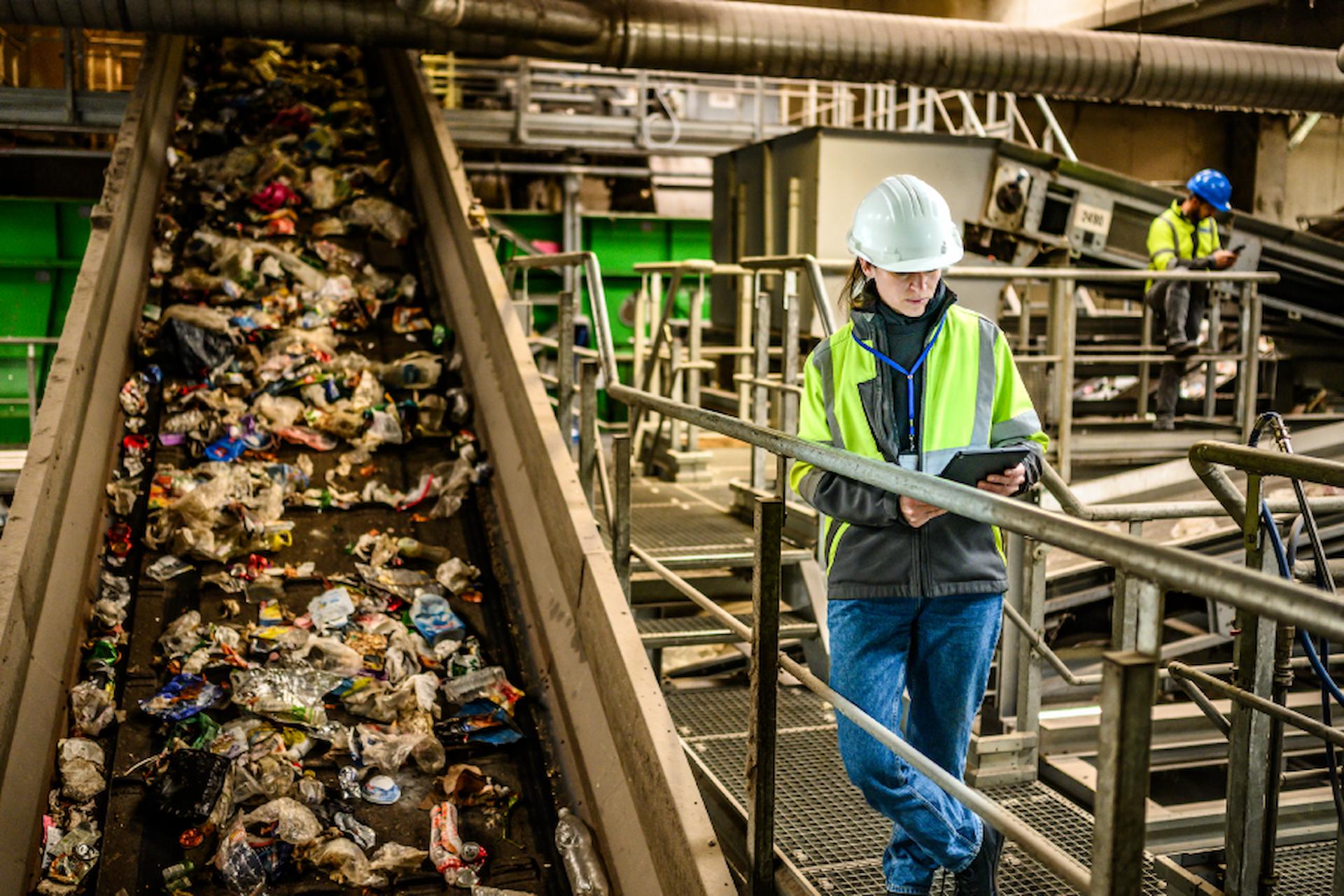
The commercial landscape in 2026 demands a radical reassessment of operational efficiency and environmental responsibility. Corporate sustainability is no longer a luxury or a performative marketing exercise. It is a core operational requirement. Businesses across the United Kingdom face unprecedented pressure from regulatory bodies, consumers, and investors to minimise their carbon footprints and demonstrate transparent, ethical supply chains. Central to this structural transition is the overhaul of commercial waste management. Disposing of rubbish carelessly is a major financial liability and a reputational risk that modern enterprises cannot afford to ignore.
A proactive approach to resource recovery ensures that commercial entities remain competitive, compliant, and cost-effective. Whether managing an office fit-out, a manufacturing facility, or a large-scale construction site, logic dictates that the choice of logistics partners must align with modern green standards. For example, enterprises operating in Berkshire routinely optimise their logistics chains by choosing reliable skip hire Windsor services that guarantee high recycling diversion rates. Partnering with professional collectors ensures that commercial debris is segregated correctly at the point of origin, preventing recyclable materials from degrading in landfill sites.
Economic and Regulatory Drivers Transforming Resource Management
The shift towards smarter waste workflows is driven by a combination of strict legislation and clear financial incentives. Landfill tax rates in the UK have reached historic highs, making the traditional “throwaway” culture financially ruinous for large and small enterprises alike.
Strict Circular Economy Directives
Legislative frameworks now compel companies to track their waste lifecycles with absolute transparency. Digital waste tracking systems monitor material movements from the moment of generation to the final processing facility. This level of scrutiny eliminates illegal tipping and encourages corporate managers to adopt circular economic frameworks. In these frameworks, materials are kept in use for as long as possible, extracting maximum value before safe recovery or recycling.
The True Cost of Inefficiency
Every tonne of raw material that enters a facility and leaves in a rubbish bin represents a double financial loss: the initial procurement cost and the subsequent disposal fee. Forward-thinking financial directors view waste data as an indicator of production inefficiency. By studying disposal metrics, operational teams can pinpoint precisely where materials are being wasted in the supply chain, allowing them to adjust manufacturing processes and lower overall overheads.
Practical Implementation and Local Execution
Transitioning to a circular model requires a blend of macro-level strategic planning and micro-level tactical execution on the shop floor or construction site.
Segregation at Source
The success of any corporate recycling programme depends on separating materials before they become cross-contaminated. Mixing food waste, plastics, and paper makes recycling impossible, rendering the entire batch useless. Modern commercial premises utilise colour-coded, clearly labelled sorting stations to ensure staff separate rubbish accurately. For heavy industrial projects or site clearances, using specific logistics providers becomes essential. Securing dependable skip hire Windsor solutions allows local managers to hire multiple containers dedicated to specific streams, such as brick, timber, or metal, streamlining the downstream recovery process.
Key Operational Advantages of Smarter Disposal
Upgrading your corporate waste infrastructure yields immediate returns across multiple facets of the business. Prioritising these systems delivers major practical advantages:
- Major Financial Savings: Reducing landfill dependence and avoiding transport overheads significantly decreases monthly operational spending.
- Enhanced Brand Reputation: Demonstrating genuine, data-backed green credentials attracts eco-conscious consumers and high-value corporate partnerships.
- Complete Legal Protection: Correctly archiving waste transfer notes ensures total compliance with the Environment Agency inspections and avoids heavy penalties.
- Optimised On-Site Safety: Keeping work environments clear of accumulated debris dramatically reduces workplace accidents and trip hazards.
- Investor Appeal: Demonstrating strong environmental, social, and governance metrics makes an enterprise vastly more attractive to modern financial funds.
Harnessing Data and Technology
The modern waste industry relies heavily on digital innovation. Smart bins equipped with ultrasonic fill-level sensors alert collection companies exactly when a container needs emptying. This technology eliminates unnecessary vehicle journeys, reducing transport emissions and ensuring businesses only pay for collections when containers are full. Furthermore, detailed digital receipts provide companies with the precise data needed for annual environmental reporting.
Actionable Tips for Sustainable Commercial Waste Management
To establish a highly efficient, future-proof waste program, organisational leaders should introduce practical, step-by-step measures across their facilities:
- Conduct an Environmental Audit: Assess the contents of your current bins to identify the primary materials being discarded unnecessarily.
- Train Staff Frequently: Educate employees on correct recycling practices to eliminate cross-contamination in communal areas.
- Partner with Certified Vendors: Ensure your chosen waste carriers possess valid licenses and provide transparent material destination reports.
- Minimise Single-Use Items: Eradicate disposable packaging from supply lines, replacing them with reusable alternative containers where possible.
- Set Achievable Milestones: Target realistic annual recycling increases, rewarding departments that achieve the highest diversion levels.
Forward-Thinking Enterprise Growth
The trajectory of corporate resource management is clear: linear models are being replaced by circular systems. As raw materials become more expensive and climate targets tighten, the ability to manage waste intelligently will separate market leaders from struggling businesses. Investing in smart sorting tech, data-driven collection logistics, and ethical local supplier networks builds operational resilience. By treating waste as a valuable secondary resource rather than an unwanted burden, businesses can secure long-term commercial success while actively protecting the planet for future generations.
Future-Proof Operational Success
Adopting smarter waste disposal strategies is an essential component of modern business management. By combining source segregation, technology-driven logistics, and certified local partnerships, enterprises can insulate themselves against rising landfill taxes and strict environmental laws. This proactive commitment cuts overheads, strengthens corporate reputations, and streamlines day-to-day operations. Ultimately, viewing waste through the lens of resource efficiency transforms an environmental obligation into a powerful tool for sustainable growth, ensuring commercial viability in a changing economic world.