



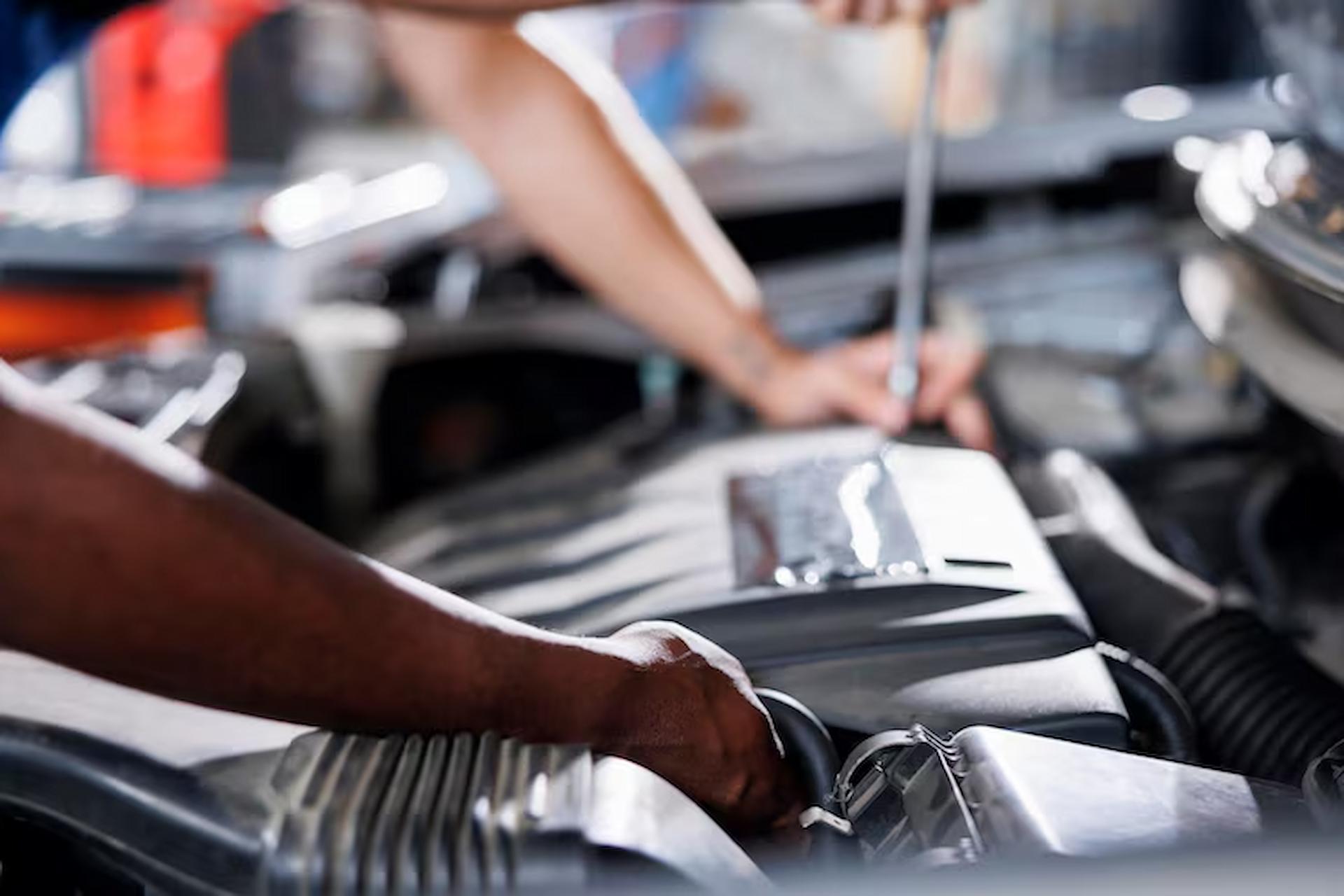
Keeping a vehicle running smoothly requires more than occasional servicing. Small maintenance habits and timely inspections can improve driving safety, reduce fuel costs, and help prevent expensive repairs. Whether drivers commute daily or use their Vehicles for Other Purposes, keeping a vehicle in good condition is essential for both safety and long-term performance. Many drivers focus only on obvious repairs, but regular maintenance and small preventative checks can make a significant difference over time.
Components such as brakes, tyres, suspension systems, engine oil, and the clutch all play an important role in how safely and efficiently a car operates on the road. Ignoring early warning signs often leads to more expensive repairs and reduced driving reliability. Simple habits like checking tyre pressure, replacing worn parts, and scheduling regular inspections can improve fuel efficiency, increase vehicle lifespan, and create a smoother driving experience.
1. Keep Your Braking System in Excellent Condition
Brakes are one of the most important safety components in any vehicle, yet many drivers ignore warning signs until problems become serious. Squeaking noises, vibrations, or delayed stopping response often indicate worn brake pads or damaged discs. Regular inspections help identify these issues early and maintain safe driving performance. Visiting a trusted brake and clutch centre harrow can help drivers receive professional assessments before minor problems become costly repairs. Well-maintained brakes also improve vehicle control during sudden stops, especially in wet or high-traffic driving conditions common across UK roads.
2. Check Tyre Pressure and Tread Regularly
Tyres directly affect handling, fuel efficiency, and overall road safety. Underinflated tyres create unnecessary drag, which increases fuel consumption and uneven wear. Overinflated tyres, on the other hand, reduce grip and make braking less effective. Drivers should inspect tyre pressure at least once a month and before long journeys. Tread depth also matters because worn tyres struggle to maintain traction in rain or on ice. According to UK safety guidelines, legal tread depth must remain above 1.6mm, although many experts recommend replacing tyres earlier for improved safety and performance throughout the year.
3. Replace Engine Oil and Filters on Schedule
Clean engine oil helps lubricate moving components, reduce friction, and prevent overheating. When oil becomes dirty or degraded, the engine works harder, which can reduce performance and shorten the vehicle’s lifespan. Oil filters are equally important because they trap contaminants that could damage internal parts over time. Following manufacturer-recommended service intervals ensures the engine continues running efficiently. Drivers who regularly delay oil changes often experience reduced fuel economy and sluggish acceleration. Simple preventive maintenance can significantly reduce the risk of serious mechanical failures while helping vehicles perform consistently under daily driving conditions.
4. Pay Attention to Clutch Performance and Gear Changes
A healthy clutch system allows smoother gear transitions and better control while driving. Difficulty changing gears, slipping acceleration, or unusual burning smells may indicate clutch wear that requires immediate attention. Ignoring these symptoms can lead to complete clutch failure and costly replacement. Drivers who frequently travel in stop-start traffic often place greater strain on clutch components without realising it. A reliable brake and clutch centre harrow can inspect the clutch system and identify early signs of wear before they affect drivability. Timely servicing improves comfort, responsiveness, and long-term vehicle reliability.
5. Maintain Proper Wheel Alignment and Suspension
Wheel alignment and suspension systems influence steering precision, tyre wear, and overall driving stability. Vehicles that pull to one side or feel unstable during turns may have alignment or suspension problems that need professional attention. Poor alignment forces tyres to wear unevenly and can reduce fuel efficiency over time. Suspension issues also make driving less comfortable because shocks and struts absorb road impact and help maintain traction. Regular alignment checks are especially useful after hitting potholes or kerbs, which are common causes of steering and suspension damage on busy urban roads.
6. Keep Batteries and Electrical Systems in Good Shape
Modern vehicles rely heavily on electrical systems for ignition, lighting, sensors, and safety features. Weak batteries can cause starting problems, dashboard warning lights, or unexpected breakdowns, particularly during colder months. Drivers should inspect battery terminals for corrosion and ensure connections remain secure. Replacing ageing batteries before complete failure helps avoid inconvenient roadside issues. Electrical inspections also identify faults with alternators, starter motors, or lighting systems that may affect vehicle performance. Consistent electrical maintenance supports smoother operation and ensures important safety systems function correctly during everyday driving.
7. Use Professional Inspections to Prevent Larger Repairs
Routine inspections often reveal small mechanical issues before they become major expenses. Professional technicians can identify hidden wear in braking systems, suspension parts, tyres, and engine components that drivers may overlook. Preventive servicing also improves resale value because well-maintained vehicles tend to perform better over time. Choosing an experienced brake and clutch centre harrow gives drivers access to specialist knowledge and diagnostic tools that support long-term vehicle health. Preventative care ultimately saves money while helping drivers stay safer and more confident on the road.
Conclusion
Improving vehicle performance and safety does not always require expensive upgrades or major mechanical work. Consistent maintenance, regular inspections, and early attention to small problems can significantly improve a vehicle’s performance over time. Brakes, tyres, clutch systems, suspension components, and engine health all contribute to safer, more reliable driving. Drivers who invest in preventative care often experience fewer breakdowns, lower repair costs, and better fuel efficiency. Routine servicing also helps maintain comfort, handling, and overall road performance in different weather and traffic conditions.