

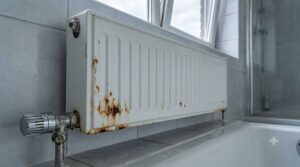

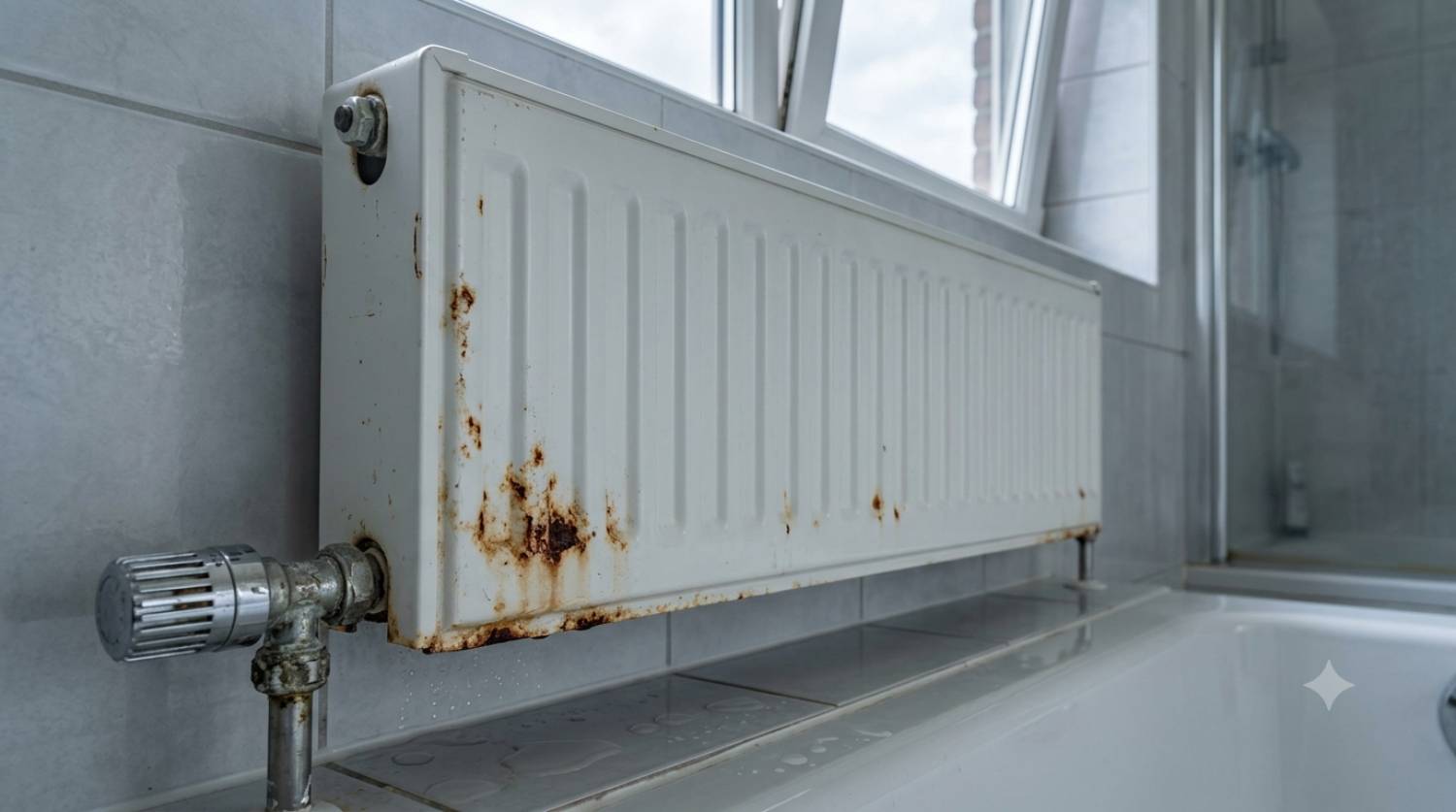
Discover why bathroom radiators corrode faster than those in other rooms. From high humidity to wet towels, learn the causes of bathroom radiator rust and actionable maintenance tips to keep your central heating system performing efficiently for years to come.
Bathrooms present a notoriously harsh environment for central heating units. While radiators in your living room or bedrooms can go years without showing signs of wear, a bathroom radiator often develops rust spots or flaking paint much sooner. Homeowners frequently ask, why is my radiator rusting in the bathroom while every other unit in the home remains spotless?
The explanation lies in a unique combination of atmospheric moisture, thermal fluctuations, and daily household habits. Bathrooms generate extreme conditions that accelerate oxidation both on the outer surface of metal panels and within internal pipework. Understanding these specific causes helps you take proactive steps to protect your heating investment.
High Environmental Humidity and Constant Steam
The primary driver of external corrosion is humidity. Steam from daily showers and baths fills the room with airborne moisture. When this vapor contacts cooler metal surfaces, it condenses back into liquid water. Over time, standing moisture breaks down protective paint layers, exposing the bare metal underneath to oxygen. This process starts the chemical reaction known as oxidation, causing rust spots to form along seams, valves, and lower edges.
Direct Contact with Wet Towels and Chemical Residues
Hanging damp towels directly over a towel rail or radiator traps moisture against the metal surface for extended periods. This persistent wetness prevents protective coatings from drying out properly. Furthermore, residual chemicals from laundry detergents, fabric conditioners, soaps, and cleaning sprays transfer onto the metal. These substances often contain salts and acidic compounds that react with steel, speeding up the breakdown of protective finishes and creating ideal conditions for rust.
Internal Sludge and Corrosion Inhibitor Breakdown
Corrosion occurs inside the heating system as well as on its exterior. Oxygen entering the closed heating loop through minor air leaks or during fresh water top-ups reacts with internal steel walls. This produces iron oxide, commonly known as radiator sludge. If your central heating lacks a sufficient concentration of chemical corrosion inhibitor, this black sludge settles in the lowest points of the system—frequently in small bathroom radiators or towel rails. This buildup leads to cold spots, internal pitting, and localized pinhole leaks.
Temperature Spikes and Condensation Cycles
Bathrooms undergo rapid temperature changes. The room quickly transforms from cold to hot during a bath or shower, only to cool down rapidly once ventilation starts. Heating metal up causes it to expand, while cooling causes it to contract. This micro-expansion and contraction puts physical stress on exterior paint coatings, leading to microscopic hairline cracks. Airborne steam penetrates these tiny fissures, reaching the bare steel layer beneath and initiating rust behind what appears to be intact paint.
Poor Material Quality and Flaked Factory Coatings
Not all heating units are manufactured to withstand high-moisture zones. Standard steel panel radiators often rely on a single layer of basic factory primer and enamel, which can fail rapidly when exposed to persistent steam. If the initial protective coating suffers from micro-imperfections during manufacturing or shipping, moisture quickly penetrates to the underlying metal. High-quality, double-coated, or specialized moisture-resistant units provide far greater protection against rapid environmental degradation.
Essential Preventive Measures to Protect Bathroom Radiators
Protecting your bathroom radiator requires a combination of good daily habits and regular system maintenance. Simple adjustments to how you use and care for your heating units can significantly extend their operational lifespan.
- Improve Room Ventilation: Always operate an extractsystemor fan during showers and leave it running for 15 to 20 minutes afterward. Opening windows helps purge excess steam quickly.
- Avoid Draping Soaking Wet Items: Use dedicated towel bars or drying racks rather than hanging heavy, wet laundry directly over painted radiator panels.
- Clean Radiators Gently: Wipe down outer surfaces weekly with a soft cloth and warm water. Avoid harsh abrasive pads or chemical cleaners that strip protective enamel.
- Maintain Chemical Inhibitor Levels: Ask a qualified heating engineer to check your system’s inhibitor concentration annually to prevent internal sludge buildup.
- Bleed Radiators Regularly: Release trapped air using a radiator bleed key to prevent internal oxygen pockets from rusting the top headers.
Keeping Your Bathroom Heating Efficient and Durable
Managing humidity and maintaining your central heating system are key to ensuring long-term performance. Knowing the main causes of corrosion allows you to prevent damage before costly repairs become necessary. Inspecting your units regularly for moisture buildup, maintaining inhibitor levels, and acting quickly if you wonder why my radiator rusting will keep your bathroom warm, stylish, and rust-free for years.