



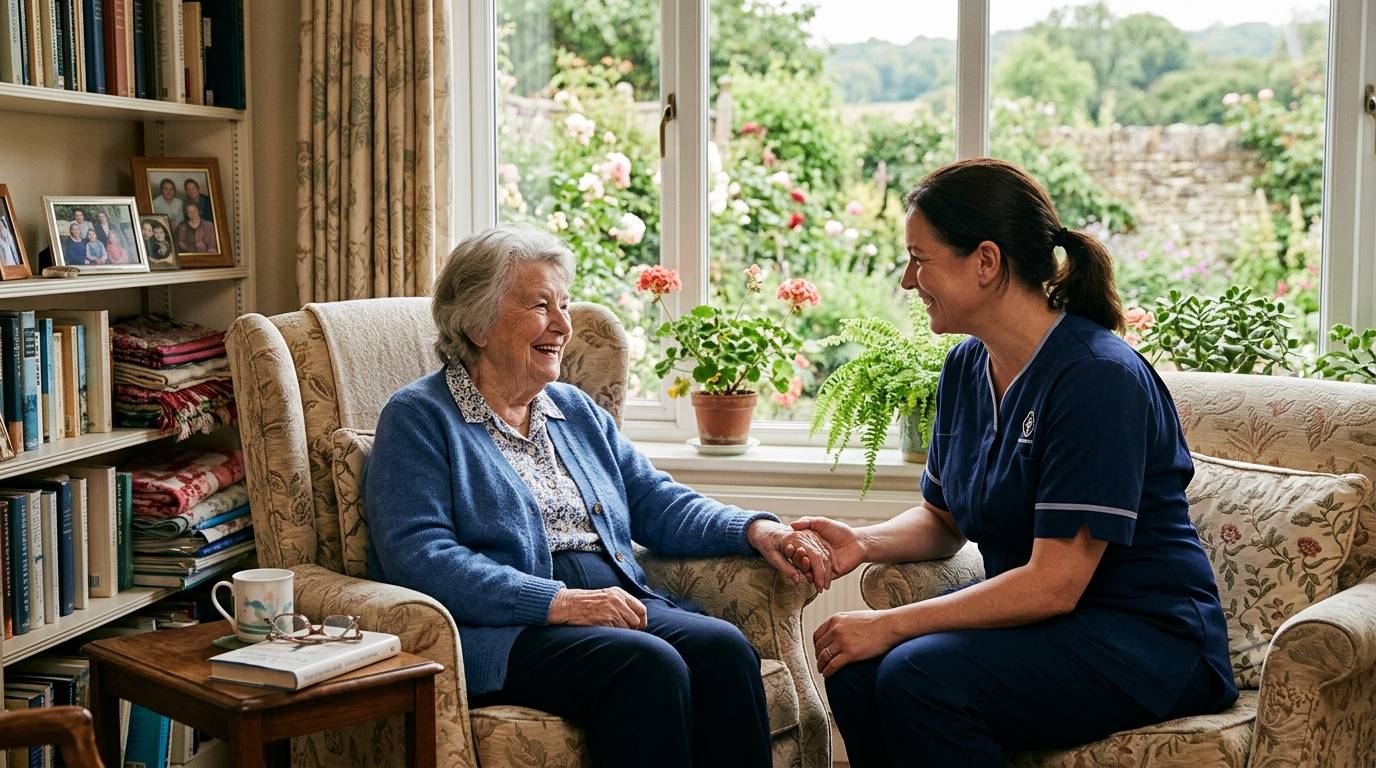
Choosing between care at home and a care home can feel difficult for families. Both can provide valuable support, but they create different daily experiences. Understanding how each option affects routine, independence, companionship and practical care can make it easier to choose an arrangement that respects the person’s needs and preferences.
When someone needs regular care, families often have to decide whether support should be provided at home or in a residential care setting. Both options can offer safety, practical help and reassurance, but they work in different ways. For people who value familiar surroundings and personal routines, live in care Buckinghamshire can provide support without requiring a move from home. A care home, by contrast, provides accommodation and care in a shared setting. Looking at independence, one-to-one attention, daily routines and future care needs can help families make a more informed choice. The aim is to find care that feels safe, respectful and sustainable.
Staying at Home or Moving Into Residential Care
With live-in care, the person stays in their own home while a carer provides support through an agreed care plan. The Buckinghamshire service is designed around personalised, one-to-one care that helps people remain in familiar surroundings.
A care home involves moving into a residential setting where staff support several residents. This can suit people who prefer communal living, while staying at home may better suit those who value familiarity and continuity.
Personal Support and Daily Routine
Live-in care can follow the individual’s normal routine. Support may include personal care, meals, medication, mobility, shopping, appointments and companionship. These are among the types of assistance available through the Buckinghamshire live-in care service.
In a care home, support can still be personalised, but daily life takes place within a shared environment and wider schedule.
For someone who wants more control over when they wake, eat, rest and spend their day, live in care Buckinghamshire may offer greater flexibility.
Independence, Companionship and Peace of Mind
Remaining at home can help a person keep familiar habits, possessions and surroundings. A live-in carer can also provide regular company and practical help throughout the day.
Care homes provide a different form of social contact, with other residents nearby and organised activities often available. Families should consider personality as well as care needs, because the right setting should support safety, comfort and dignity.
What to Check Before Making a Decision
Start by assessing current and likely future needs. Consider whether help is required with personal care, mobility, medication, meals or overnight support.
For live-in care, the home should have suitable space for a carer and be safe for the person receiving support. Families should also ask what is included and how changing needs will be managed.
Short- and long-term live-in care options are available, including respite care and support following a hospital stay.
FAQs
Can live-in care support mobility difficulties?
Yes. Depending on the care plan, support can include help moving safely around the home, exercise and attending appointments.
Does live-in care mean leaving home?
No. It is designed to provide support in the person’s own home, allowing familiar routines and surroundings to continue.
Can live-in care be short term?
Yes. Short-term support may be available for respite or recovery after leaving hospital.
Is a care home more social?
It can offer more group interaction because residents live together, while live-in care provides more consistent one-to-one companionship.
Final Thoughts
Choosing between live-in care and a care home depends on the person, not simply the amount of support required. A care home may suit someone who likes a shared environment, organised activities and access to a wider staff team. Live-in care may appeal more to someone who wants to remain at home, follow familiar routines and receive individual attention.
Before choosing, families should compare care needs, personal preferences, the suitability of the home, available support and the full cost of each arrangement. They should also ask how care can adapt if needs become more complex. Taking time to discuss these points with the person receiving care can make the decision more comfortable and informed.
For families who place a high value on independence, continuity and familiar surroundings, live in care buckinghamshire can provide a practical alternative to residential care while allowing the person to receive tailored support in the place they know best.